
Before looking at equipment or layouts, it is important to clearly define who the playground is for and what you want it to accomplish. These early decisions will guide everything from design and budget to safety and long term usability.

Who Will Use the Playground
Start by identifying the primary users of the playground.
- Toddlers and young children (ages 2 to 5)
- School age children (ages 5 to 12)
- Mixed age groups
- Families and community use
Each age group requires different types of equipment, spacing, and safety considerations. For example, younger children benefit from lower platforms and simpler play elements, while older children typically look for more challenging features such as climbers and overhead events.
In many cases, it makes sense to create separate play zones for different age groups. This helps improve safety and ensures that all users have an appropriate and enjoyable experience.
You should also consider how many people will be using the playground at one time. A playground designed for a small church will have very different requirements than one serving a large elementary school or public park.
Type of Property or Environment
The type of property plays a major role in how the playground is designed and used.
- Schools often prioritize capacity, durability, and age separation
- HOAs and apartment communities tend to focus on aesthetics and long term maintenance
- Parks typically require larger, more inclusive spaces with a wide range of activities
- Churches often look for flexible, multi use environments
Each environment comes with different expectations, usage patterns, and budget considerations. Understanding these factors early helps ensure the final design aligns with how the space will actually be used.
What You Want the Playground to Achieve
A well planned playground should do more than just fill a space. It should serve a purpose.
- Encouraging physical activity and movement
- Supporting social interaction and group play
- Creating an inclusive environment for children of all abilities
- Providing a visually appealing and welcoming space for the community
Defining your goals upfront makes it easier to evaluate options later and ensures your investment delivers long term value.
Your budget will shape nearly every aspect of your playground project, from the size and layout to the type of equipment and surfacing you choose. Taking the time to understand what drives cost early in the process will help you avoid delays, redesigns, and unexpected expenses.
A well planned budget considers not just the equipment, but everything required to create a complete, safe, and functional space.
What Impacts Playground Cost
Several key factors determine the total cost of a playground project.

Larger spaces require more equipment, more surfacing, and more installation time.

Basic structures are more cost effective, while larger systems with multiple features or custom designs increase cost.

Surfacing is one of the biggest cost variables. Engineered wood fiber is more budget friendly, while poured in place rubber and synthetic turf offer a more finished look at a higher cost.

Grading, drainage, and removal of existing equipment can significantly affect the overall scope.

Professional installation ensures safety and compliance, but varies depending on project size and complexity.

Shade structures, seating, and other site elements are often included to complete the space.
Typical Budget Ranges
While every project is different, most playgrounds fall into a few general ranges:
- Small playgrounds typically range from $20,000 to $50,000
- Mid size playgrounds typically range from $50,000 to $100,000
- Larger custom playgrounds often start at $100,000 and increase depending on size and features
These ranges can shift depending on surfacing, site conditions, and the overall scope of the project.
Planning for Long Term Costs
A playground is a long term investment, and it is important to consider ongoing costs beyond installation.
These may include:
- Routine maintenance and inspections
- Surfacing replenishment or replacement
- Replacement parts due to wear and tear
- General upkeep of the surrounding area
Investing in quality materials and making the right decisions early can help reduce long term costs and extend the life of your playground.
Before selecting equipment or finalizing a layout, it is critical to fully understand the conditions of your site. The physical space will directly impact what can be installed, how the playground is designed, and what preparation is required before installation begins.
Addressing site conditions early helps prevent costly changes and ensures a smoother project overall.
Space Requirements and Layout
Several key factors determine the total cost of a playground project.
Every playground must be designed with safety in mind, starting with proper spacing and layout.
Each piece of equipment requires a use zone, which is the area surrounding it that must remain clear to allow for safe play and fall protection. These requirements are outlined in safety resources such as the CPSC Public Playground Safety Handbook and ASTM guidelines.
When planning your playground, consider:
- Total available space
- Required clearances between structures
- Movement paths throughout the playground
- Separation between age groups when needed
For example, swings require more clearance than most equipment and should be placed away from high traffic areas.
Site Conditions
The condition of your site can significantly impact both design and cost.

Poor drainage can lead to standing water, erosion, and long term maintenance issues. In some cases, additional grading or drainage solutions may be required.

Uneven terrain may need to be leveled to create a safe and usable surface.

Soil type affects how equipment is installed and anchored, and may influence overall stability.

Trees, utilities, sidewalks, and other elements must be incorporated into the design.
Accessibility and Access
Accessibility should be considered from the beginning of the planning process.
Playgrounds are often required to follow guidelines established by the U.S. Access Board under the ADA.
Key considerations include:
- Accessible routes to and through the playground
- Entry points connected to sidewalks or parking areas
- Ground level play components
- Inclusive design features
Environmental Considerations
Environmental factors can impact both comfort and long term performance.

Direct sunlight can make equipment and surfacing hot. Adding shade improves comfort and usability.

Rain, wind, and temperature all influence design and material selection.
Planning for these conditions helps ensure the playground performs well over time.
Selecting the right playground equipment is one of the most important parts of the planning process. The equipment you choose will define how the space is used, who it attracts, and how long it remains engaging for the community
A well designed playground includes a balance of activities that support different types of play, accommodate a range of age groups, and encourage repeat use over time. Rather than focusing on a single structure, it is helpful to think about the overall play experience you want to create.

Climbing play
Climbers, nets, and overhead events help build strength, coordination, and confidence. These elements are often some of the most popular features on a playground.

Sliding
Slides are a core component of most playground systems and provide a simple, enjoyable activity for a wide range of ages.

Swinging
Swings remain one of the most used playground elements. Options include belt seats, bucket seats for younger children, and inclusive swing options.

Spinning and motion play
Spinners and rotating play equipment add excitement and sensory stimulation, especially for older children.

Sensory and interactive play
Ground level panels, musical instruments, and tactile elements support imaginative play and are especially important for inclusive playground design.
Age Appropriate Playground Design
Designing for the correct age group is critical for both safety and usability.
The CPSC Public Playground Safety Handbook recommends separating play areas for:
- Children ages 2 to 5
- Children ages 5 to 12
Each group has different developmental needs and abilities.
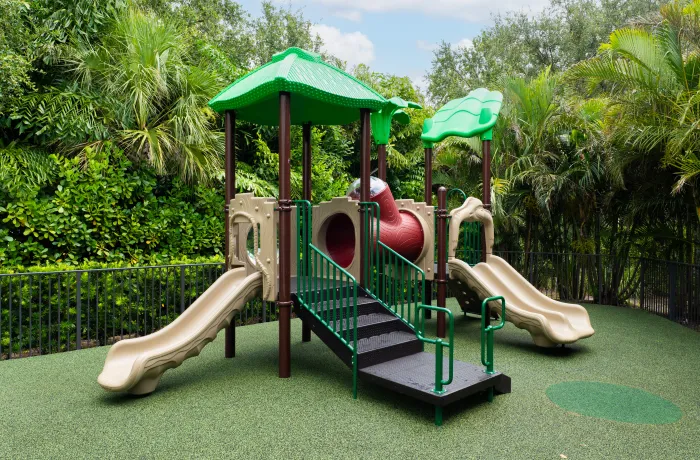
- Lower deck heights
- Smaller slides
- Easier access points

- More challenging climbers
- Taller structures
- More complex play elements
Inclusive and Accessible Playground Equipment
Inclusive playground design focuses on creating a space where children of all abilities can play together.
This goes beyond simply meeting minimum ADA requirements. It involves thoughtful design that includes:
- Ground level play components
- Ramps or transfer systems
- Sensory rich activities
- Accessible pathways throughout the play area
Guidelines from the U.S. Access Board provide direction on how many accessible components are required and how they should be integrated into the design.
Choosing Between Pre Designed and Custom Playground System
When selecting commercial playground equipment, most projects fall into one of two categories:
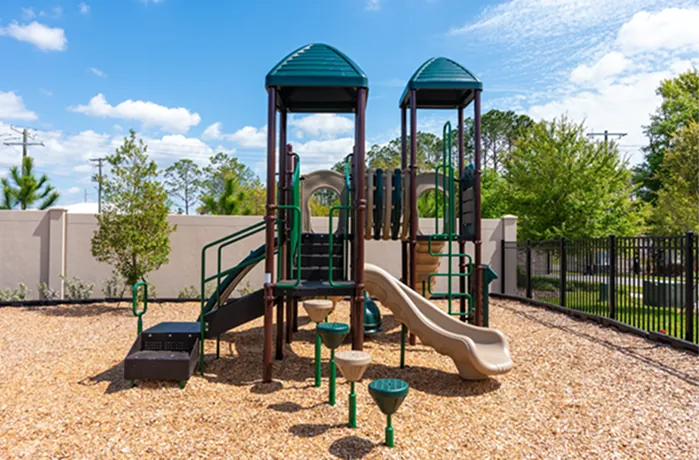
These are pre configured structures that offer a cost effective and efficient solution. They are ideal for projects with defined budgets and timelines, especially our quick ship playgrounds.
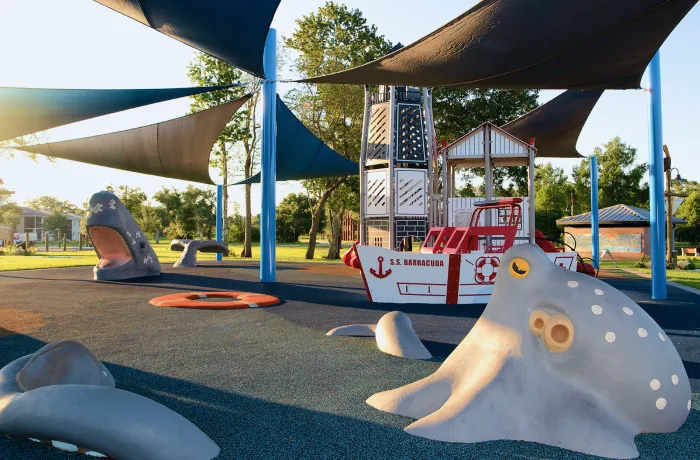
Custom systems allow for greater flexibility in layout, colors, and play features. These are often used for larger or more unique projects where design is a priority.
Working with a provider that offers both options allows you to find the right balance between budget, timeline, and design goals.
Safety is one of the most important considerations in any playground project. Proper planning ensures that the playground not only meets required standards, but also provides a safe and reliable environment for users over time.
Playground safety in the United States is guided by standards and recommendations from organizations such as:
- CPSC (Consumer Product Safety Commission)
- ASTM International (ASTM F1487 standards)
- U.S. Access Board (ADA accessibility guidelines)
Understanding how these guidelines apply to your project is essential during both the design and installation phases.
Understanding Playground Safety Standards
The CPSC Public Playground Safety Handbook provides widely accepted recommendations for playground safety, including layout, spacing, and equipment use.
ASTM standards, particularly ASTM F1487, establish detailed performance and safety requirements for commercial playground equipment.
While these are often followed by manufacturers and installers, it is important for project owners to understand that:
- Safety is influenced by both equipment and layout
- Proper installation is critical to compliance
- Ongoing inspection and maintenance are required
Fall Zones and Use Zones
One of the most critical safety concepts in playground design is the fall zone, also known as the use zone.
This is the area around equipment that must be covered with protective surfacing to reduce injury risk in the event of a fall.
Key considerations include:
- Required distances vary depending on equipment type
- Swings and slides have larger fall zones than stationary equipment
- Surfacing must meet impact attenuation requirements
Equipment Spacing and Layout Safety
Proper spacing between equipment is essential to prevent collisions and overcrowding.
Design considerations include:
- Adequate distance between play structures
- Clear paths of travel
- Separation of moving equipment from static equipment
A well spaced playground improves both safety and overall user experience.
ADA and Accessibility Compliance
Playgrounds must also meet accessibility requirements under the Americans with Disabilities Act (ADA), as outlined by the U.S. Access Board.
These guidelines address:
- Accessible routes
- Transfer systems and ramps
- Required number of accessible play components
Compliance is not just about meeting regulations. It ensures that the playground is usable by a broader range of individuals.
Playground surfacing is one of the most important decisions in your project. It directly impacts safety, maintenance, appearance, and long term performance.
In many cases, surfacing can account for a significant portion of the total project cost, making it essential to choose the right option for your budget and needs.
Types of Playground Surfacing
There are several common types of commercial playground surfacing, each with its own advantages.

Engineered Wood Fiber (EWF)
A cost effective and widely used option that provides good impact absorption. Requires ongoing maintenance to maintain proper depth.

Rubber Playground Mulch
Made from recycled rubber, this option offers improved durability and lower maintenance compared to EWF.
Poured in Place Rubber
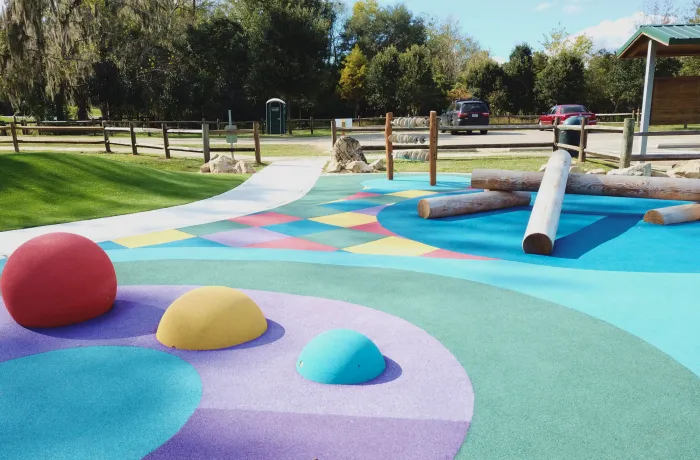
A seamless, highly accessible surface that provides excellent safety and a clean, finished appearance. Higher upfront cost.

Synthetic Turf
Designed specifically for playground use, turf systems include padding underneath to provide fall protection.
Comparing Cost and Maintenance of Surfacing Products
Each surfacing type comes with different cost and maintenance considerations.
- EWF has lower upfront cost but requires regular replenishment
- Rubber mulch has moderate cost with lower maintenance
- Poured in place has higher upfront cost but minimal maintenance
- Turf offers a balance of appearance and performance depending on system design
Safety and Fall Protection
All playground surfacing must meet safety requirements for fall protection.
This includes:
- Proper depth or thickness
- Compliance with ASTM impact standards
- Coverage across all required use zones
Selecting the correct surfacing ensures that the playground provides adequate protection for users.
Drainage and Durability
Surfacing also plays a role in how the playground handles weather and long term wear.
Consider:
- Drainage capabilities
- Resistance to erosion or displacement
- Performance in different climates
Choosing the right surfacing system helps reduce maintenance and extend the life of the playground.
While playground equipment is the focal point of any project, the surrounding elements are what turn a basic installation into a complete, functional space. Shade structures, seating, and other site amenities improve comfort, usability, and overall experience for both children and caregivers.
Many projects that initially focus only on equipment end up adding these elements later. Planning for them from the beginning ensures a more cohesive design and helps avoid additional costs or layout limitations down the line.
Shade Structures
Shade structures are one of the most valuable additions to a playground, especially in warmer climates where direct sun exposure can make equipment and surfacing uncomfortable or even unsafe to use.
Providing shade can:
- Reduce surface temperatures on equipment and surfacing
- Improve comfort for children and caregivers
- Extend the amount of time the playground can be used throughout the day
- Help protect materials from long term UV exposure
Shade can be incorporated in several ways, including:


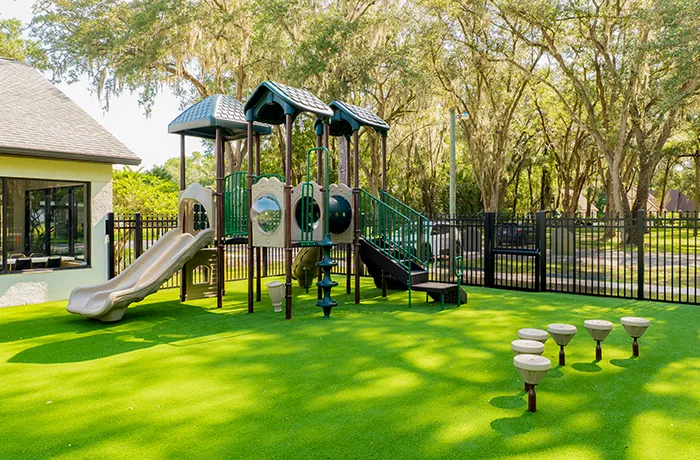
Natural shade from trees when available
When planning shade, it is important to consider sun angles throughout the day and how shadows will move across the space. Strategic placement can significantly improve coverage without needing to shade the entire playground.
Seating and Gathering Areas
Seating is often overlooked during the initial design phase, but it plays an important role in how the space is used, adding site amenities and park furniture can have a huge impact.
Caregivers, teachers, and supervisors need comfortable places to sit while still maintaining clear visibility of the playground. Well placed seating also encourages longer visits and increases overall use of the space.
Common seating options include:
- Benches placed along the perimeter of the playground
- Picnic tables for group use
- Integrated seating near play areas
Trash Receptacles and Site Functionality
Small details like trash receptacles can have a big impact on the long term cleanliness and usability of the space.
Providing designated areas for waste helps:
- Keep the playground clean and inviting
- Reduce maintenance needs
- Improve overall user experience
These elements should be placed in convenient but unobtrusive locations, typically near seating or entrances.
Expanding the Space Beyond the Playground
Many projects today go beyond traditional playground equipment and incorporate additional recreational elements to serve a wider audience.
These may include:
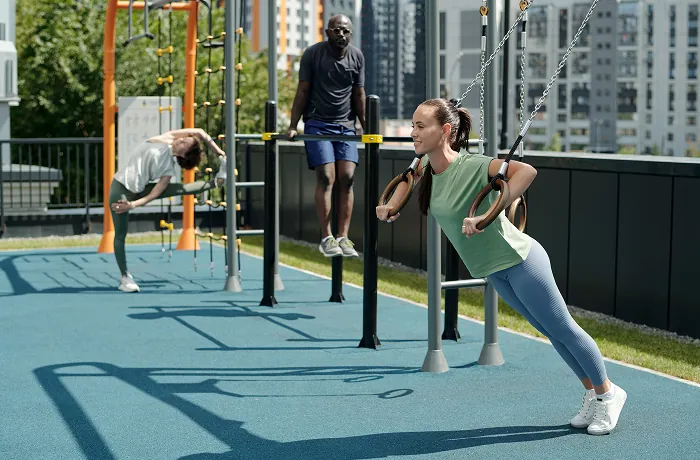
Outdoor fitness equipment for teens and adults
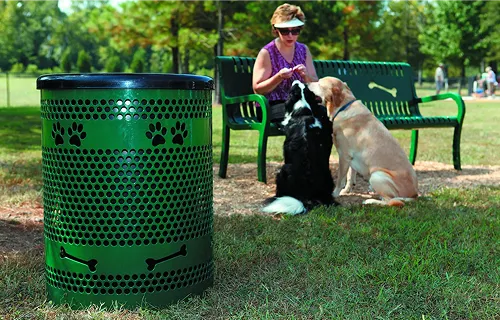
Dog park features for community spaces

Open areas for free play or gatherings
Including these elements can increase the overall value of the project and create a space that serves more members of the community.
Installation is one of the most critical phases of any playground project, but it is only one part of the overall process. Successful projects rely on proper coordination, planning, and oversight from start to finish.
This is where project management plays a key role. A well managed project ensures that timelines are met, site conditions are handled correctly, and all components come together as planned.
What to Expect During Installation
A typical playground installation involves several coordinated steps that must be completed in the correct order.
These generally include:
- Site preparation, including layout, grading, and base work
- Delivery and staging of playground equipment
- Assembly and installation of structures
- Installation of playground surfacing
- Final inspection and cleanup
Each phase builds on the previous one, and delays or mistakes early in the process can affect the entire project. Proper coordination helps ensure everything stays on track.
The Role of Project Management
Project management is what connects all phases of the project and keeps everything moving forward efficiently.
This includes:
- Coordinating schedules for delivery, installation, and inspections
- Managing communication between all parties involved
- Ensuring materials arrive on time and in the correct order
- Overseeing site conditions and addressing issues as they arise
- Keeping the project aligned with budget and timeline expectations
For larger or more complex playgrounds, having a single team managing the entire process can significantly reduce risk and simplify the experience for the customer.
Permits and Approvals
Depending on the location and scope of the project, permits or approvals may be required before installation begins.
These may include:
- Local building permits
- Site plan approvals
- Inspections during or after installation
Requirements vary by municipality, so it is important to identify these early and factor them into the project timeline.
Project management often includes helping navigate this process and ensuring all necessary steps are completed.
The Value of Professional Installation
Professional installation ensures that playground equipment is installed correctly and in accordance with safety guidelines such as those established by ASTM and the CPSC.
This includes:
- Proper anchoring and assembly of equipment
- Correct installation of safety surfacing
- Verification of spacing and fall zones
- Final checks to ensure compliance and safety
Improper installation can lead to safety issues, premature wear, and costly corrections.
Working with an experienced team helps ensure that the playground is installed correctly the first time.
Choosing the right partner for your playground project can have a significant impact on both the process and the final result. While equipment selection and design are important, the experience, support, and capabilities of the company you work with often determine how smoothly the project moves forward.
A well qualified partner does more than supply equipment. They help guide you through planning, budgeting, design, compliance, and installation, ensuring that all aspects of the project come together successfully.
One of the first things to consider is experience.
A company that has completed a wide range of playground projects will be better equipped to anticipate challenges, recommend practical solutions, and avoid common mistakes. This is especially important for projects that involve site work, custom layouts, or multiple components.
Look for a partner that has experience working with projects similar to yours, whether that is a school, HOA, park, or commercial property.
Ability to Provide a Complete Solution
Some companies focus only on selling playground equipment, while others offer a more comprehensive approach.
A full service provider can typically assist with:
- Playground design and layout
- Equipment selection
- Safety and compliance considerations
- Surfacing options
- Shade and site amenities
- Installation and project management
Understanding of Safety and Compliance
A strong playground partner should have a clear understanding of safety guidelines and accessibility requirements.
This includes knowledge of:
- CPSC recommendations
- ASTM playground safety standards
- ADA and U.S. Access Board accessibility guidelines
Proper planning and installation are essential to meeting these requirements, and working with an experienced team helps ensure that nothing is overlooked.
Transparency and Communication
Clear communication is an important part of any successful project.
Your playground partner should be able to:
- Clearly explain the scope of work
- Provide realistic timelines
- Communicate any potential challenges
- Keep you informed throughout the process
Strong communication helps prevent misunderstandings and keeps the project moving forward.
Flexibility to Match Your Budget
Every project has different budget requirements, and a good partner should be able to provide options that align with your goals.
This may include:
- Recommending different equipment configurations
- Offering multiple surfacing options
- Suggesting phased approaches when needed
Flexibility allows you to create a playground that meets your needs without exceeding your budget.
Why the Right Partner Matters
Selecting the right playground partner helps:
- Reduce risk and avoid costly mistakes
- Streamline the planning and installation process
- Ensure safety and compliance requirements are met
- Deliver a better overall experience and final result
A well managed project not only saves time and money, but also results in a playground that performs well for years to come.
Planning a playground involves more than just selecting equipment. From budgeting and design to safety and installation, there are many factors that can impact the success of your project.
Understanding these common mistakes can help you avoid delays, reduce costs, and ensure your commercial playground is safe, functional, and built to last.
Underestimating Playground Space Requirements
One of the most common playground planning mistakes is underestimating the amount of space required for equipment and safety zones.
Every piece of commercial playground equipment requires a designated use zone to meet safety guidelines outlined by the CPSC and ASTM. These areas often take up more space than expected, and failing to account for them can lead to overcrowded layouts or costly redesigns.
Choosing Playground Surfacing Based on Cost Alone
Playground surfacing is a critical part of both safety and long term maintenance.
Selecting playground surfacing based only on upfront cost can lead to higher maintenance expenses and reduced durability. Options like engineered wood fiber, rubber mulch, and poured in place rubber all have different cost and performance characteristics that should be evaluated carefully.
Not Including Shade Structures in Playground Design
Failing to plan for shade is a common issue, especially in warmer climates.
Without shade structures, playground equipment and surfacing can become extremely hot, limiting usability during peak hours. Including shade structures in your playground design improves comfort, extends usage time, and helps protect materials from long term sun exposure.
Ignoring Playground Site Conditions
Site conditions such as drainage, slope, and soil type play a major role in playground installation.
Ignoring these factors can lead to standing water, erosion, and increased installation costs. Proper site evaluation ensures that your playground is built on a stable and well prepared foundation.
Focusing Only on Playground Equipment
A successful playground design goes beyond selecting equipment.
Focusing only on playground equipment without considering seating, shade, pathways, and other site amenities can limit how the space is used. A well planned playground includes all elements needed to create a complete and functional environment.
Not Planning for ADA Accessible Playground Design
Accessibility should be part of the initial playground design, not added later.
Commercial playgrounds are often required to meet ADA accessibility guidelines established by the U.S. Access Board. Failing to include accessible routes, inclusive play components, and ground level activities can lead to redesigns or compliance issues.
Overlooking Playground Installation and Project Management
Playground installation involves multiple phases, including site preparation, equipment assembly, and surfacing installation.
Without proper project management, delays, scheduling issues, and miscommunication can occur. Coordinating all aspects of playground installation is essential to keeping the project on track.
Not Considering Long Term Playground Maintenance
A commercial playground is a long term investment that requires ongoing maintenance.
Failing to plan for maintenance can lead to higher costs over time and reduced lifespan of equipment and surfacing. Choosing durable materials and planning for upkeep helps protect your investment.
Choosing the Wrong Playground Equipment Company
The company you choose for your playground project can have a major impact on the outcome.
Working with a provider that lacks experience in commercial playground equipment, design, and installation can lead to delays, safety issues, and additional costs. Choosing a knowledgeable playground company that offers a complete solution helps ensure a smoother process and a better final result.